Visiting Fellows 2023-24
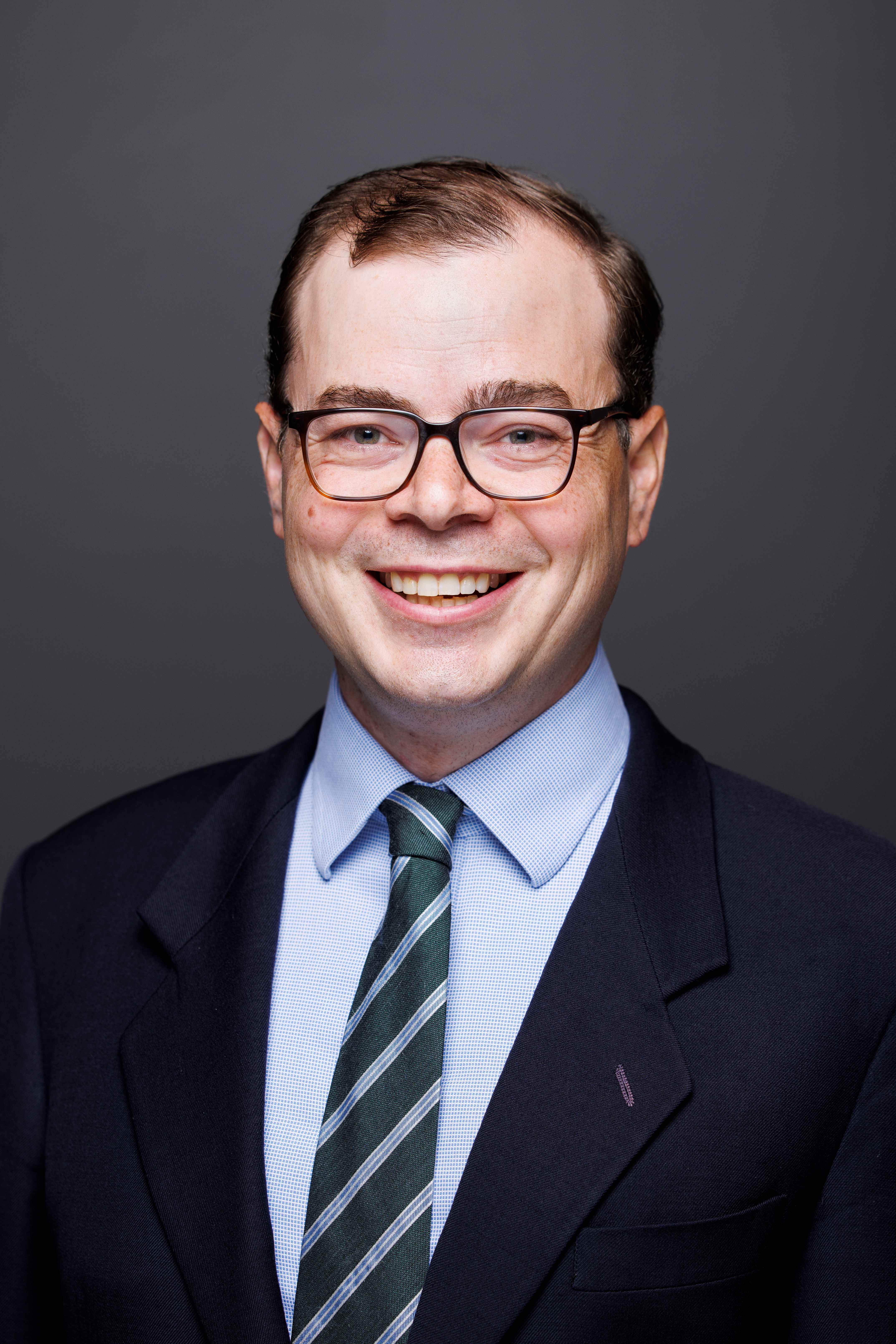
Professor John Ikenberry (Michaelmas and Hilary Terms)
G. John Ikenberry is the Albert G. Milbank Professor of Politics and International Affairs at Princeton University in the Department of Politics and the School of Public and International Affairs. At Princeton, Ikenberry is Co-Director of the Center for International Security, and Director of the Program on Reimagining World Order. Ikenberry is also a Global Eminence Scholar at Kyung Hee University in Seoul, Korea. In 2018-2019, Ikenberry was a Visiting Fellow at All Souls College, Oxford University. In 2013-2014, Ikenberry was the 72nd Eastman Visiting Professor at Balliol College, Oxford. Ikenberry is a Fellow of the American Academy of Arts and Sciences.
Professor Ikenberry is the author of eight books, most recently, A World Safe for Democracy: Liberal Internationalism in the Making of Modern World Order (Yale, 2020), which was a finalist for the Arthur Ross Book Award, listed as “Best of the Year” by Foreign Policy magazine, and listed at Editors’ Best of the Year by Foreign Affairs. Other books include: Liberal Leviathan: The Origins, Crisis, and Transformation of the American System (Princeton, 2011); and After Victory: Institutions, Strategic Restraint, and the Rebuilding of Order after Major Wars (Princeton, 2001), which won the 2002 Schroeder-Jervis Award presented by the American Political Science Association for the best book in international history and politics. He is also a reviewer of books on political and legal affairs for Foreign Affairs.
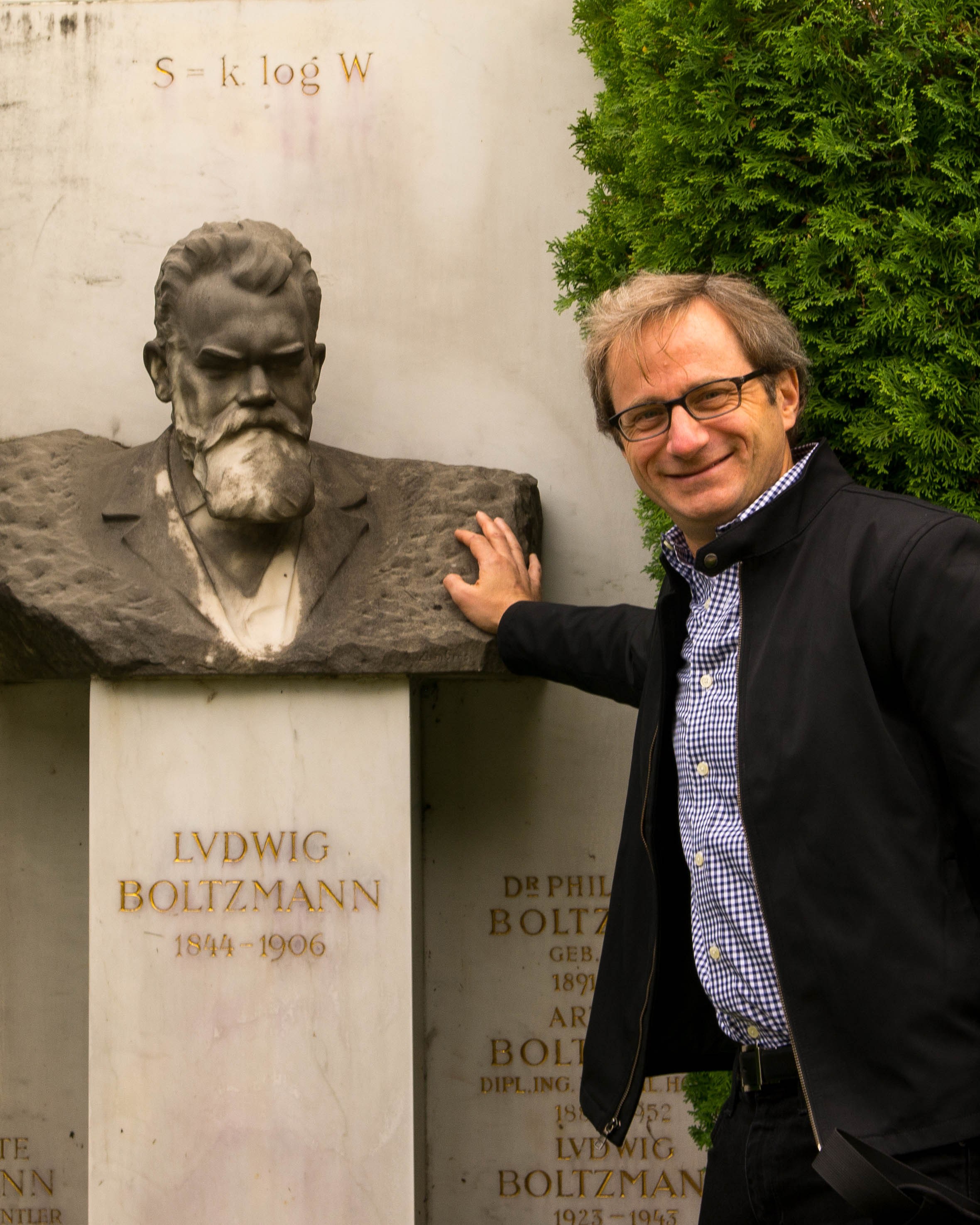
Professor Joanne Etheridge (Trinity Term)
Joanne Etheridge is the Australian Research Council Georgina Sweet Laureate Professor in the School of Physics and Astronomy at Monash University and the Science Director of the Monash Centre for Electron Microscopy. She conducts research in the development of methods to determine the structure of matter at the level of atoms using electron microscopes, including the physics describing electron scattering in condensed matter. She also applies these methods to understand the structure, and hence properties, of materials with a view to how they might be engineered to achieve useful functions. During her stay at Corpus, she will focus on two research topics; the development of methods that deliver maximum structural information for minimum electron dose, and the study of perovskite-based materials being designed for use as efficient absorbers or emitters of light. Prior to joining Monash University, she held appointments at the University of Cambridge in the Department of Materials Science and Metallurgy and Newnham College, including a Rosalind Franklin Research Fellowship and a Royal Society University Research Fellowship. She is a Fellow of the Australian Academy of Science.